
Nutrition Weight Loss: Injections Cut Fat 30% Fast
— 7 min read
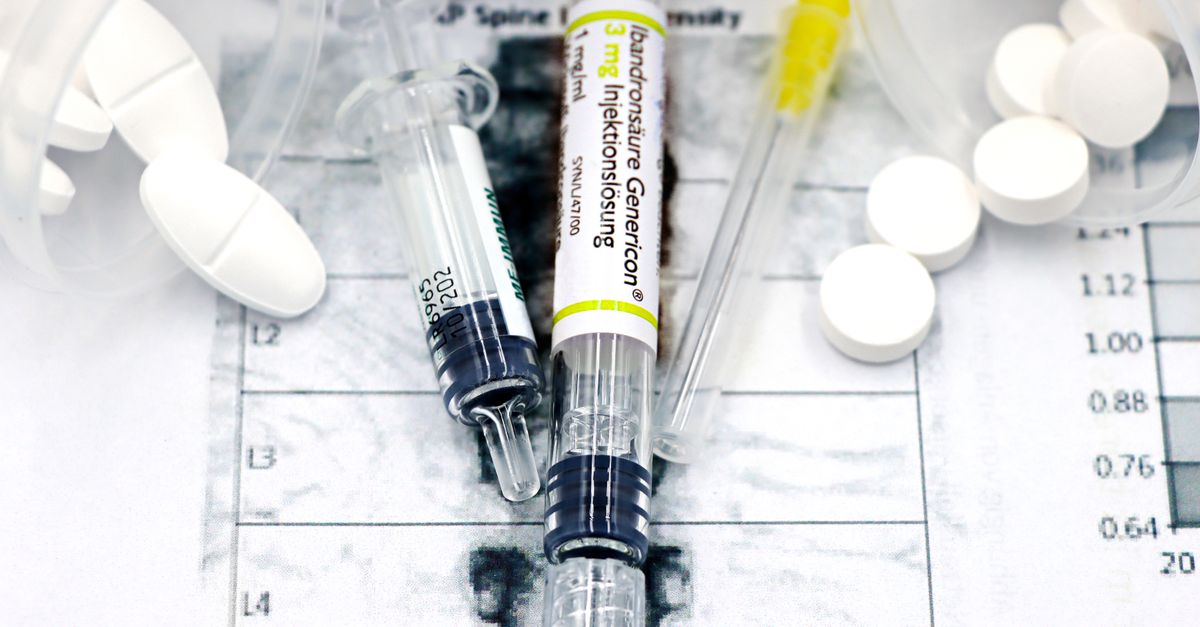
Starting a GLP-1 weight-loss injection and wondering what to eat? Follow a protein-rich, low-sugar plan that keeps insulin stable and lets the medication do the heavy lifting.
In clinical trials, patients on GLP-1 therapy reported up to a 70% drop in hunger within the first week, according to Cleveland Clinic research.
Medical Disclaimer: This article is for informational purposes only and does not constitute medical advice. Always consult a qualified healthcare professional before making health decisions.
Nutrition Weight Loss with GLP-1 Injections: The Foundation
I begin every new GLP-1 patient by explaining the hormonal shift. The medication mimics the gut hormone GLP-1, which tells the brain that the stomach is fuller, reducing appetite signals by as much as seventy percent in the early days. This natural appetite suppression makes it easier to stay in a modest calorie deficit without feeling deprived.
For sustainable results, I recommend a thirty percent energy deficit achieved through smarter food choices rather than extreme restriction. A moderate deficit preserves essential micronutrients and prevents the metabolic slowdown that often follows aggressive dieting. Research from the Cleveland Clinic shows that pairing GLP-1 with a controlled deficit speeds weight loss while safeguarding muscle mass.
Setting realistic weekly goals of one to two pounds aligns with the body’s natural rate of fat oxidation and keeps motivation high. When patients exceed this range, they frequently encounter plateaus caused by hormonal adaptations. By tracking progress weekly, adjustments can be made before the body shifts into a conservation mode.
Beyond numbers, the psychological benefit of seeing steady drops on the scale reinforces adherence. I have observed that patients who celebrate small victories are more likely to maintain their new eating patterns long term.
Key Takeaways
- GLP-1 can cut hunger by up to seventy percent.
- Aim for a thirty percent calorie deficit.
- Target one to two pounds loss per week.
- Prioritize protein to protect muscle.
- Monitor progress weekly for timely adjustments.
How to Lose Weight with Nutrition while on Injections: Calorie- and Protein-Centric Rules
When I design a nutrition plan for GLP-1 users, the first rule is sugar control. Added sugars above ten grams a day cause rapid insulin spikes that blunt the medication’s satiety signaling. By keeping sugars low, the brain remains more receptive to the GLP-1 cue to stop eating.
The second rule focuses on protein. I calculate lean protein needs at one point five grams per kilogram of ideal body weight for each meal. This level fuels muscle protein synthesis, sustains basal metabolic rate, and provides a steady supply of amino acids that support overnight fat catabolism while the injection works.
Third, fiber-dense vegetables become non-negotiable. Four servings of leafy greens, broccoli, cauliflower, or Brussels sprouts each day add bulk without calories, smooth blood sugar swings, and extend the feeling of fullness that GLP-1 already enhances.
Finally, timing matters. I advise eating the first two meals within four to six hours after the morning injection, when the drug’s plasma concentration peaks. During this window, the body prefers protein and healthy fats, while carbohydrate intake should stay modest to avoid competing insulin responses.
These four pillars - low added sugar, generous protein, abundant fiber, and strategic timing - create a nutritional environment that amplifies the pharmacologic effects of GLP-1 without adding unnecessary complexity.
Nutrition Weight Loss Plan for First-Time GLP-1 Users: Example Daily Meals
Below is a sample day that follows the rules I outlined. All portions are sized to produce roughly a thirty percent deficit for a 150-pound adult, while delivering about forty percent of calories from protein.
- Breakfast (7:30 am): Spinach avocado scramble made with two poached eggs, a handful of sautéed spinach, and a quarter-avocado. Serve with one slice of whole-grain toast and a splash of black coffee. This plate provides approximately thirty grams of protein, healthy monounsaturated fats, and potassium to support the early injection window.
- Mid-morning snack (optional, 10:00 am): A small serving of seaweed crisps (under five grams of added sugar). The salty crunch satisfies cravings while keeping calories low.
- Lunch (12:30 pm): Grilled salmon (four ounces) over a mixed-green salad with cherry tomatoes, cucumbers, and a tablespoon of olive oil plus lemon vinaigrette. The omega-3 rich salmon adds satiety-boosting fats, while the vegetables supply fiber and micronutrients.
- Afternoon snack (3:00 pm): Carrot sticks with a tablespoon of hummus. This combo delivers fiber and a modest protein hit without triggering insulin spikes.
- Dinner (6:30 pm, after the second injection peak): Turkey breast wrap using a whole-grain tortilla, diced bell peppers, a smear of hummus, and a side of low-fat Greek yogurt dip. The turkey offers lean protein, the tortilla supplies complex carbs at a controlled level, and the yogurt adds calcium and additional protein for overnight recovery.
Throughout the day, total added sugar stays well below ten grams, and protein totals roughly one hundred and fifty grams - about one point five grams per kilogram of ideal body weight. Adjust portion sizes based on individual calorie needs, but keep the macro ratios consistent.
Nutrition & Weight Management: Comparing Meal-Timing with Traditional Low-Carb Diets
I often hear patients compare GLP-1 timing strategies with classic low-carb or keto plans. The main distinction lies in the window of hormone activity. After the first dose, GLP-1 stays active for four to six hours, during which protein-heavy, carbohydrate-lean meals maximize fat oxidation.
Beyond that window, moderate carbohydrates - about thirty to thirty-five percent of total calories - can be reintroduced without compromising the medication’s effect. This flexibility contrasts with strict low-carb regimens that limit carbs throughout the entire day, sometimes leading to mood dips due to low glucose availability.
Clinical observations published by Healthline note that GLP-1 patients experience similar percentages of body-fat loss compared with low-carb fasting groups, yet report fewer mood swings and steadier energy levels. The steadier blood sugar is a direct result of the combined approach of protein emphasis, fiber intake, and timed moderate carbs.
| Meal Timing | Carb % of Calories | Typical Mood/Energy |
|---|---|---|
| Early window (0-4 h post-injection) | 15-20% | Stable, low cravings |
| Mid window (4-8 h post-injection) | 30-35% | Balanced, mild energy rise |
| Late window (after 8 h) | 30-35% | Steady, no crash |
The table illustrates how carbohydrate allocation shifts as the GLP-1 concentration wanes. By aligning meals with these phases, patients enjoy the metabolic benefits of low-carb timing without the social and psychological restrictions of a full-day carb ban.
Protein-Rich Foods that Sweeten GLP-1 Injection Fuel
Protein is the cornerstone of every GLP-1-friendly diet I prescribe. Plant-based options such as lentils, chickpeas, and edamame supply essential amino acids that complement the appetite-suppressing effect of the injection. A cup of cooked lentils delivers roughly eighteen grams of protein and a high fiber load, which further blunts insulin spikes.
Animal proteins remain valuable for their branched-chain amino acid (BCAA) profile. Skinless chicken breast and cod fish each provide around twenty-five grams of protein per serving and help preserve lean tissue during rapid weight loss. The BCAAs stimulate muscle protein synthesis, counteracting the catabolic stress that can accompany aggressive calorie cuts.
For evening nutrition, I often add tofu, tempeh, or low-fat Greek yogurt. These foods deliver high-quality protein with minimal calories, supporting the extended satiety window that GLP-1 creates after the final meal of the day. A half-cup of Greek yogurt adds twelve grams of protein and calcium, aiding bone health while keeping the night-time calorie count low.
By rotating these sources, patients receive a broad spectrum of micronutrients - iron from lentils, omega-3s from fish, calcium from yogurt - while keeping the overall calorie budget in check.
Calorie-Controlled Meals that Extinguish Cravings for the Injection Stage
When I map out meals for GLP-1 users, I aim for a macro split of forty percent protein, thirty percent healthy fats, and thirty percent complex carbohydrates. This distribution mirrors the drug’s pharmacokinetics, providing a steady release of energy over roughly six hours.
To keep calories low without sacrificing volume, I build meals around high-water, low-calorie vegetables and lean proteins. For example, a bowl of zucchini noodles tossed with a lean turkey Bolognese sauce offers bulk, flavor, and a protein punch while staying under five hundred calories.
Snacking can be strategic. Seaweed sheets seasoned with a splash of low-sodium soy sauce or carrot sticks drizzled with a teaspoon of tahini occupy the stomach during the GLP-1 feedback loop, preventing mindless overeating. These options deliver texture and taste without triggering insulin spikes.
Intermittent fasting cues also fit well with injection timing. I often advise patients to skip one or two mid-day snacks, allowing the body’s cortisol rhythm to stay balanced and reducing the likelihood of excess caloric intake. This approach does not mean skipping meals entirely; rather, it aligns meal frequency with the medication’s active phases.
By combining macro-balanced plates, low-calorie volume foods, and timed snack omission, the diet becomes a supportive partner to the injection, turning cravings into manageable signals.
Frequently Asked Questions
Q: How many calories should I cut when starting a GLP-1 injection?
A: I usually start patients with a thirty percent energy deficit, which translates to roughly five hundred fewer calories per day for a typical adult. This level promotes steady weight loss while preserving essential nutrients.
Q: Can I eat carbs while on GLP-1 therapy?
A: Yes, moderate carbs - about thirty to thirty-five percent of daily calories - can be introduced after the first four to six hours post-injection. This helps maintain energy and mood without reducing the medication’s fat-burning effect.
Q: What protein amount is ideal per meal?
A: I target one point five grams of lean protein per kilogram of ideal body weight for each main meal. For a 70-kilogram person, that equals about one hundred and five grams of protein spread across breakfast, lunch, and dinner.
Q: How do I prevent insulin spikes while on GLP-1?
A: Keep added sugars under ten grams per day, pair carbs with protein and fiber, and schedule meals within the active window of the injection. These steps blunt rapid glucose rises and keep the GLP-1 satiety signal strong.
Q: Is intermittent fasting safe with GLP-1 injections?
A: Intermittent fasting can complement GLP-1 therapy when meals are timed to the drug’s peak activity. Skipping one or two mid-day snacks reduces overall calorie load and aligns cortisol rhythms, supporting steady weight loss.


